
[ad_1]
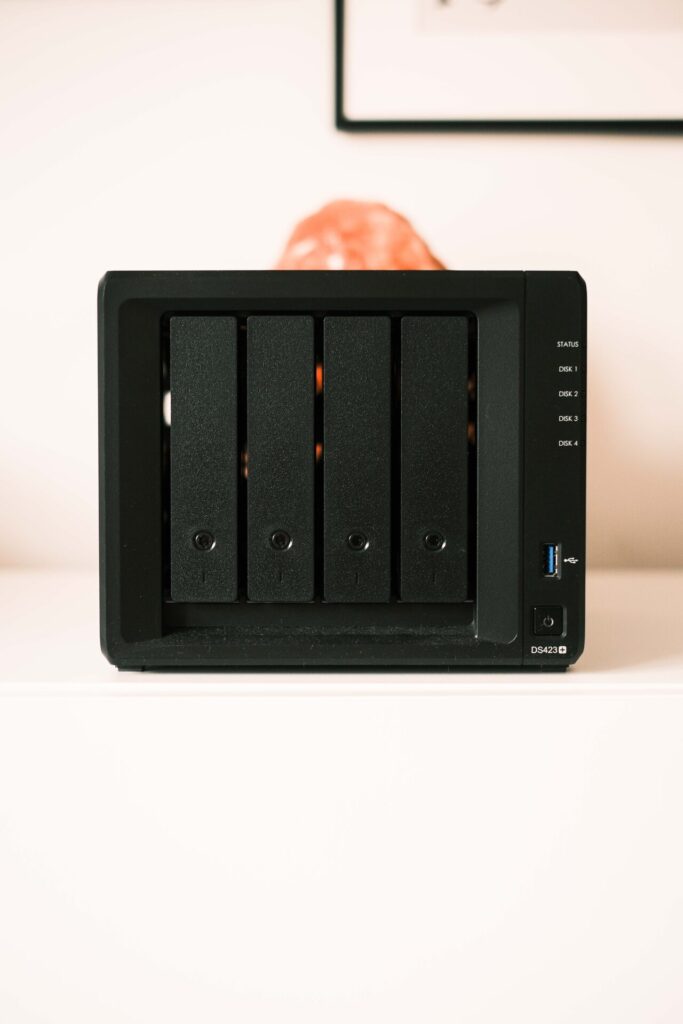
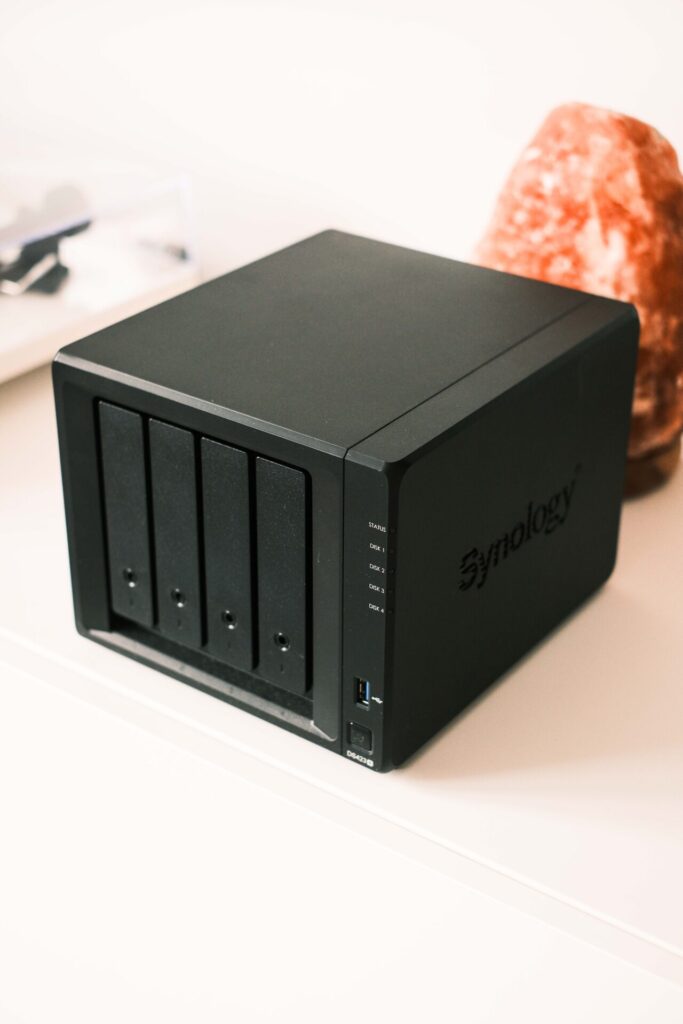

I think I found the best storage solution for all my photography needs. This is a guide to my Synology Nas configuration for photographers!
Before a press trip to Lithuania in July 2023, I thought that my photography workflow was relatively without problems. I wore all my physical photography files in two external Lacie drivers and worked mainly using intelligent previous views in Lightroom. Those hard tricks were never really used apart from when he had added original files or needed to export full size images. However, it was not until Cora de Inside our suitcase He introduced me to the world of the attached storage of the network or “nas” that I realized that I could create the best storage solution for my photography.
I could, often do, talk all day about the bodies of the camera and lens options, but there is nothing more important for storage. He is not sexy and “great” to speak, but I am here to show him why a configuration of NAS is probably the most incredible (and safe!) Way to store and access his photography files. This is, therefore, my brief guide for a NAS configuration for photographers.
My Synology Nas Setup for photographers
What is the attached storage of the network?
The attached storage of the network or ‘nas’ for abbreviation is essentially a centralized storage location that is connected to a network. This means that files can be accessed on the storage device remotely from literally anywhere in the world; Think about it as your own private cloud.
My Synology Nas configuration
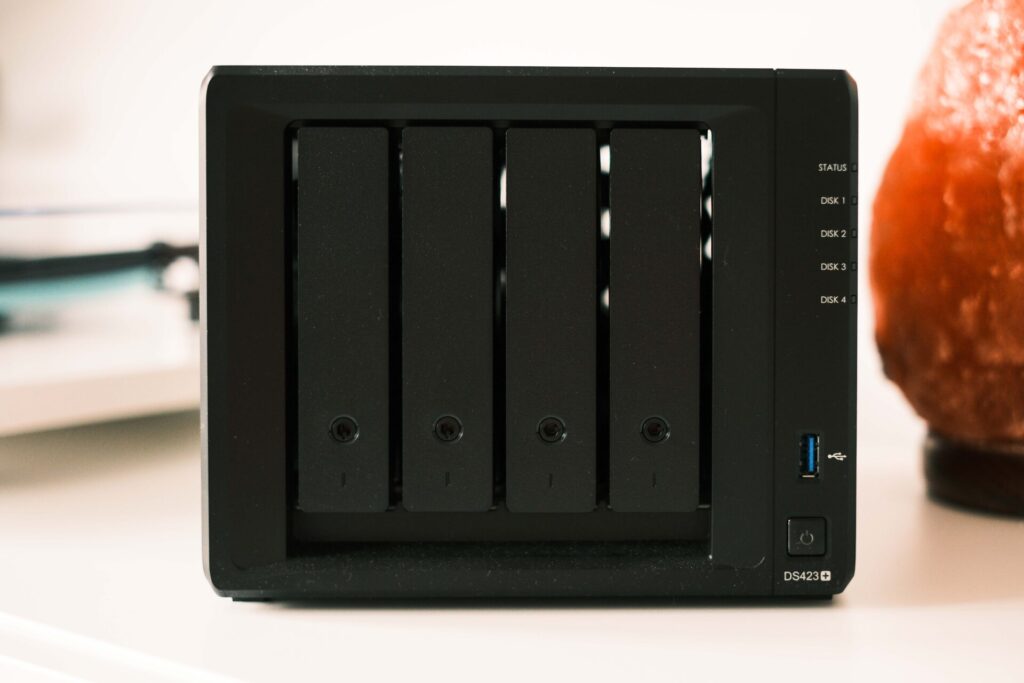
After a lot of research, I decided on the Synology DS423+ 4 Bay at a cost of £ 481.48 with two Seagate Ironwolf 4TB Drive Drives at £ 100.99 each. As this was my first foray into the world of NAS, I just wanted something simple not only for photography, but only for general storage and the documentation of documents/files of the office at home, etc. The DS423+ has four bays for hard meals for a total of 72 TB, which essentially means that the storage will never be exhausted and can be configured to obtain a safe backup of all its files, if the worst ever occurs. I have not yet filled the two final slot machines, but I suppose that is the beauty of the four bays, since I am sure that one day the time will come that I need more storage space. There is even a home for two solid state units M.2 NVME if I decided that I needed even faster access.
I have the two hard works configured in Raid 1, which is probably the most basic support system where the second unit automatically reflects the first. Therefore, my total storage is not 8 GB but 4 GB in the first unit, with the second unit a complete mirror of the first. This means that if a unit fails, I have a complete copy and simply manually replace the broken unit. I wish I would have read a little more about this first, since apparently Synology Hybrid Raid allows much more long -term flexibility if you add more hard drives. I am quite sure that I am stuck with the 4TB unit (even if I add a 16 TB unit) unless you make a backup in another place and start again.
In terms of reading/writing speeds, the DS423+ is capable of 226/224 mb/s, which I consider is generally well. It is not fast, but when I upload one or two photos of one day or two, I will leave the laptop for a moment, maybe prepare a cup of coffee, and everything will be ordered by the time I return!
With Synology you get much more than a single storage device. I have to admit that, so far, I have really deepened everything that is offered, but one thing that interests me is the Synology Photos application that maintains all its photos in its own private cloud. It is possible that it does not necessarily work with Lightroom, since all slightly edited final versions of all my photos are stored within that catalog and do not exist anywhere else!
For anyone who needs a little more information about my complete configuration, this is the Internet that I am using at home: 1GBPS youfibre (download+ load) / Eero 6+ (mesh network x3) / netgear gigabit switch / Ethernet cable to DS423+. All this is currently in my living room.
I have the configuration of DS423+ to turn off when it is not in use, since I have not yet found the need to turn it on without stopping, since I really only need it when loading / exporting larger files. I had configured ‘LAN’ well so that, wherever I was in the world, I could send a magical package to its IP address that would activate it remotely. I am currently having a problem with this, since I am trying to discover how to assign a static IP address to NAS that correlates with you, who wants you to pay more per month to have a static IP (if you know the answer, make it know!).
For me, the best thing about my nas configuration is that I can, from anywhere in the world, access all my files and load original files directly from my SD card after a session. This is especially useful in press trips, since I can edit in Lightroom almost immediately and I don’t have to trust the Fujifilm camera application always frustrating to connect to my X-T5.


NAS configuration for lighttroom
This is an area that I have seen so many questions for online; How is a nas configuration created with Adobe Lightroom? Well, after reading too many articles that led me to complicate things too much in my mind, I decided on a very easy solution. There is nothing Different to the use of nas that an external hard impulse as it used to do for my photography workflow.
The solution is simple. Your Lightroom catalog file must remain on your laptop (with a backup in NAS is fine) but stores all your original files in the NAS. Once I transferred everything through my old hard behaviors, it was a matter of telling Lightroom where to look. When Lightroom gives him the option of ‘Finding the missing folder’, navigates to the new location and there, it will draw the new complete unit with each change that you have made in the photos, since they are stored in its catalog.
When it comes to bringing new files to Lightroom, I will use the import tab as normal and navigate to NAS. You can read more information about my photography workflow here, although the only update of the one contained in this article.
In terms of speed in real time, as edit and export mainly the previous intelligent views with the NAS, mainly in energy savings mode (off), I have honestly found any problem, since it does not try to load the original file.
Final thoughts
Well, after all that, what do you think? Hopefully it has helped shed some light on how useful it is the attached storage of the network and how is a configuration of NAS for photographers (particularly travel photographers) … I will admit it, it is not a cheap investment, but I am a complete convert and I cannot believe that I have not found a configuration like it is before. I love the freedom to load original files directly from my SD card reader on my laptop wherever I am in the world, everything while you have the security, reliability and flexibility that comes with NAS.
If you want to know more about a nas configuration for photographers or have any questions / thought, let it know in the comments below!
Read more than my latest articles below
Keep in mind that some bonds in this blog are affiliate links.
Yes you Go buy something through these links, I can receive a small commission at no additional cost for you.
If you enjoy what you’ve seen You can buy me a coffee or beer here.
[ad_2]
