
[ad_1]



My first Fujifilm lens and the lens that accompanied me in ten months travel through Australia and Southeast Asia. It has been a long time, but this is finally my fujifilm lens review of 23 mm f/2.
Let’s start at the end, okay? Unfortunately, I no longer own this lens without my own fault and, if I am sincere, the longer I spend, the more I would love to bring it to my collection. This was the first lens I bought in 2016 along with my Fujifilm X-T2 after thoroughly investigating which was the best main lens for travel photography at that time. It was new at that time also having been released in September 2016.
My Fujifilm of 23 mm F/2 has seen a lot; More than 16,000 km and 9 months in Roadtring around Australia, jumping through Bali, Singapore, Phuket, Chiang Mai and Bangkok and everyday life through Covid-19. It served me extremely well and I will always hold such good memories, both literally through the photographs he captured, and emotionally due to how much I enjoyed using it.
As a means to honor this great lens and I suppose it is a way of thanking it for treating me so well, I have decided to gather all my favorite thoughts and photos in this fujifilm lens review of 23 mm f/2.
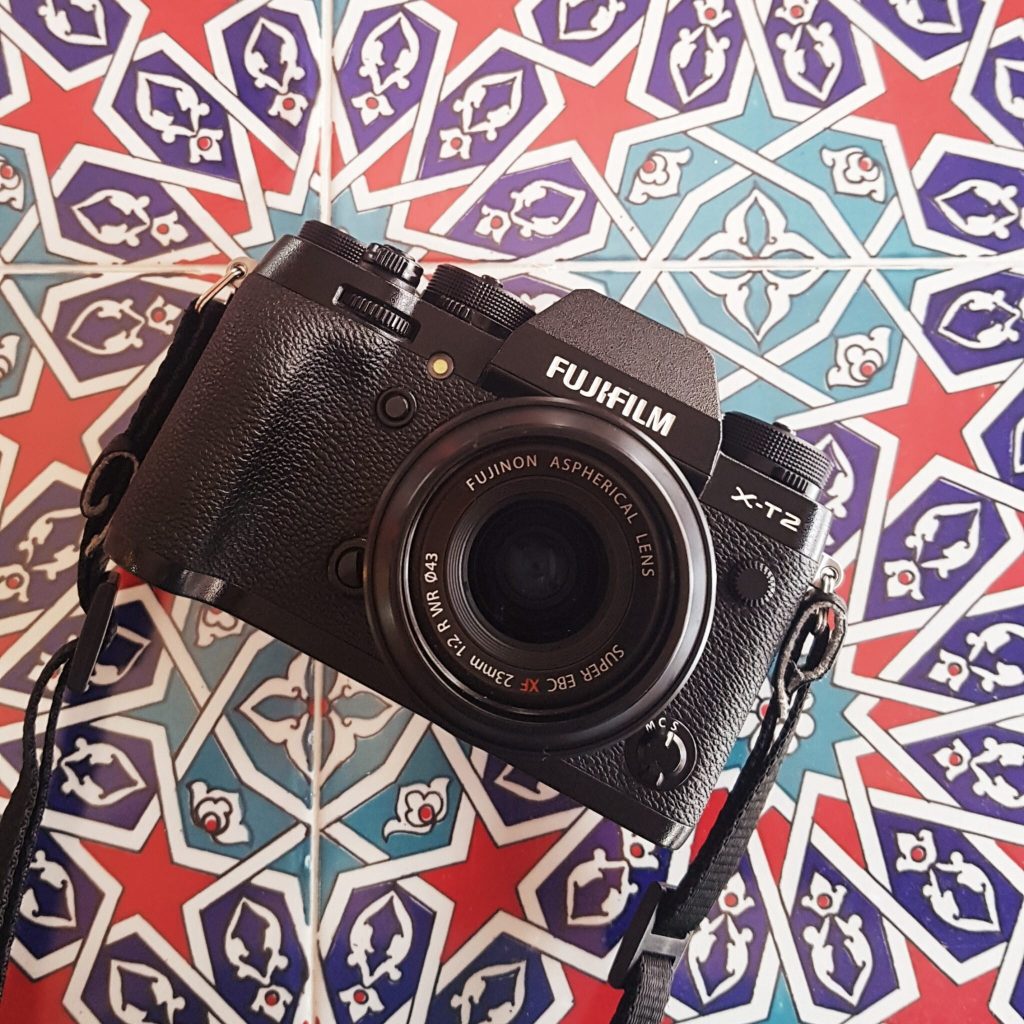
Fujifilm 23 mm lens review f/2
FOCAL LENGTH
The two most popular focal distances for photography, especially trips, have been 35 mm and 50 mm for a long time (in terms of complete picture, 23 mm and 35 mm in the world of Fujifilm cultivation sensor). However, my favorite focal distance before changing Fujifilm was always 50 mm when I was looking for a lens that would become my daily travel lens, I knew that 50 mm would be too tight. Therefore, I decided that I had to look at the 35 mm focal length that has always been popular as the standard lens of “pointing and shooting.”
The 23 mm Fujifilm F/2 was, therefore, the lens that met my focal distance needs and always find that 23 mm (35 mm equivalent) offers the perfect field of vision to document almost everything when traveling. A 23 mm primary lens must be the pillar of each trip of travel photographers and documentary style and could easily meet all the needs of its single camera / a lens (if you have them).
Interestingly, while I write this publication now and I have looked back through my thousands of photos taken with this lens, I have noticed that I have used the 23 mm focal length in the guidance of the landscape most frequently, while now, with the Fujifilm 35 mm f/1.4 being my main choice lens, trip almost exclusively in the orientation of portrait.
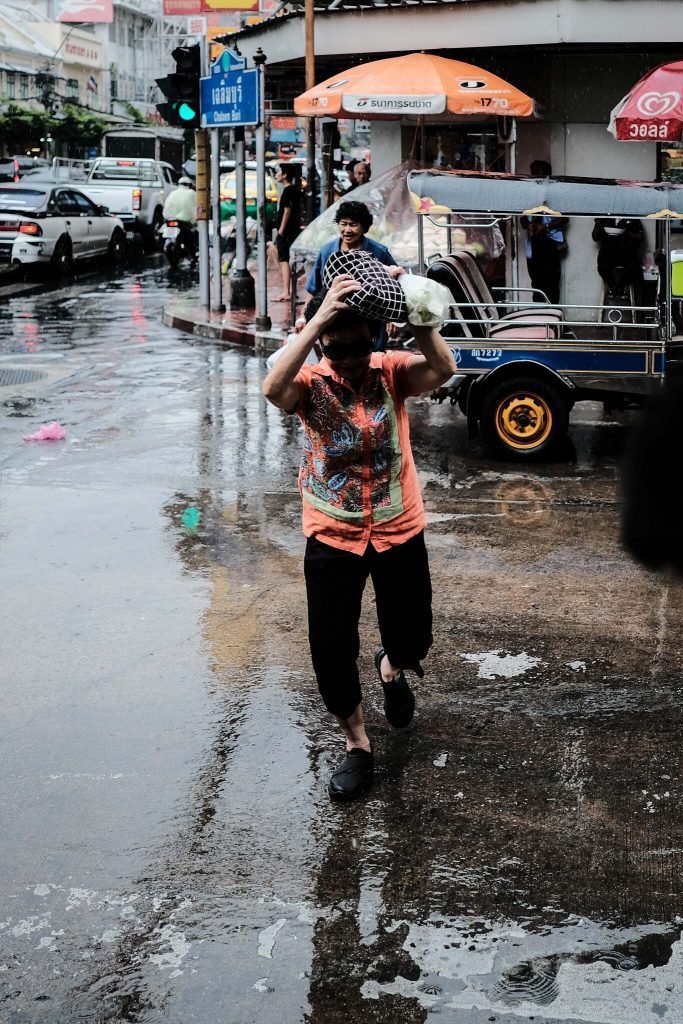

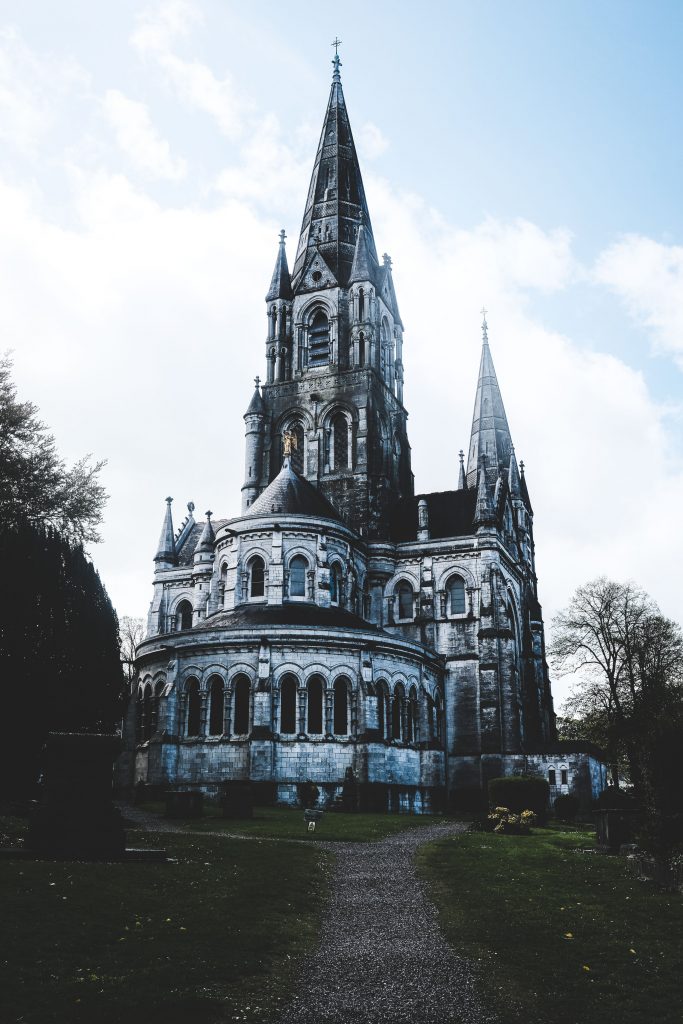





F/2
The 23 mm fujifilm lens is commonly known as one of the three original ‘fujicrones’; called for its resemblance or inspiration of the Summicron de Leica lenses. The other two lenses are the lovely 35 mm f/2 and 50 mm f/2; The latter is the only one of these three lenses that I still have.
The F/2 opening has allowed Fujifilm to create a small and light lens that is perfect for travel photography and, if you have one of the cameras of the X-Pro series, the unique design allows the use of the optical viewfinder without blocking your opinion.
With the lens only Being f/2 means that it is not brilliant in situations of little light (although I can imagine with the Fujifilm X-T5 and its IBI, you can still get excellent images with lower ISO) and, during the day, its defects are evident in that shot of torque of f/2 can give rise to soft images with proven plea. When you reduce to approximately f/4 yf/5.6, the images are more than acute enough. I shot many of my images while I travel AF/2 for some reason or another, so, I have many ‘soft’ “images, but I still consider them some of my favorite images never taken and I did not put this lens again to my collection.
Image quality
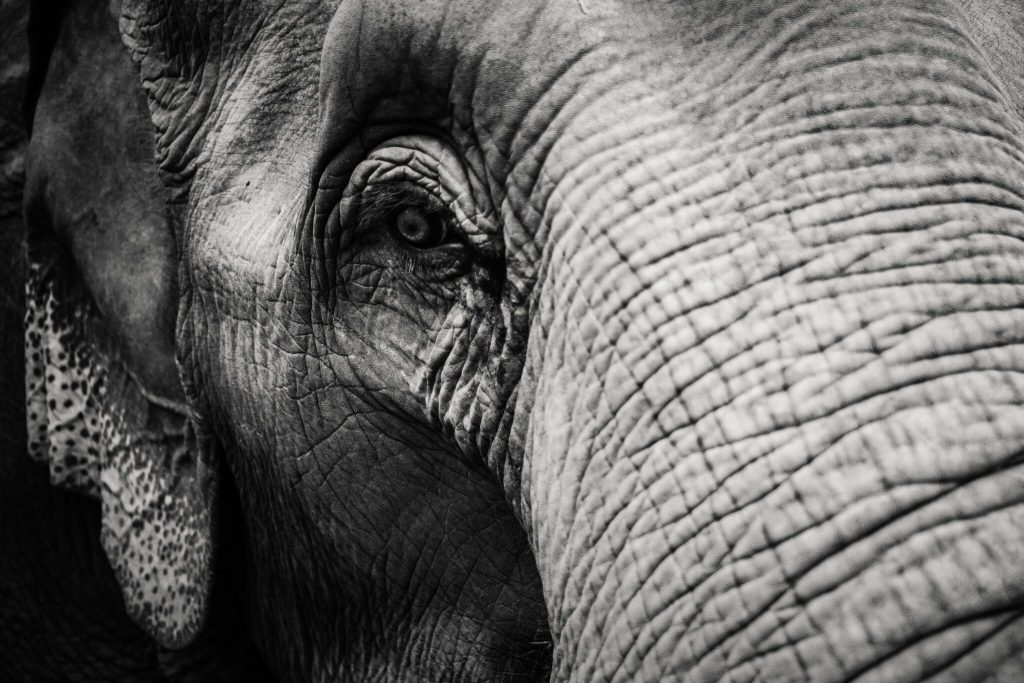
As I mentioned earlier, the image quality taken from torque is not the best. For the best, I mean that when you compare it with some of Fujifilm’s upper lenses (such as 35 mm f/1.4 and 50-140 mm f/2.8) there is an obvious difference in image quality. However, with this lens, that slight reduction in the quality of the image is worth more than the convenience of having a lens so small that it can be embolled, it has a resistance to the climate and it is quick to concentrate.
Having said all that, I used my fujifilm of 23 mm f/2 for documentary -style trip photography; Literally, I just capture my daily trips for more than 10 months, where I might not need or expect high quality 100/100 photos each time. I love this lens for the images it produces and the memories that it helps to capture.



Automatic approach
Super quiet and super fast. This is how Fujifilm’s automatic approach of 23 mm f/2 even in the Fujifilm X-T2. I can only imagine that the time to concentrate would be practically unmissable to the naked eye with some of the last cameras of Fujifilm. Using the Fujifilm of 23 mm F/1.4 After having this lens for so long it was a bit surprising, since, at least, for me, there was a remarkable slowness in its ability to concentrate (although this has undoubtedly remedied in the newest version).
Alternative options
This is where things get interesting. Given the popularity of the focal length of 23 mm/35 mm, there are a series of offers that give Fujifilm 23 mm f/2 a race for their money. Therefore, a question for all would be why I would choose the Fujifilm lens of 23 mm f/2 on a complete camera with a built -in lens such as the X100 series or the two F/1.4 options; The wise old Fujifilm 23 mm f/1.4 Ry the modern Fujifilm 23 mm f/1.4 r lm wr.
The question I faced, after having had this lens, he raised (and quickly answered) for a quiet block period; Should I sell it and invest in the Fujifilm X100F? At this point, I was already the owner of the Fujifilm of 23 mm f/1.4 r and, therefore, having two excess lenses seemed quite useless. Therefore, I sold the Fujifilm of 23 mm F/2 and bought the Fujifilm X100F, which I went to saying that it was the best thing I’ve had in my hands.
We quickly advance until 2024 and I have to admit that I have also sold the Fujifilm X100F for the simple reason that I took advantage of the increase in used prices (when the X100V essentially went viral) and now I had access to simulations of newer movies in the Fujifilm X-T5, which I preferred to my classical classical classic recipe. At the point of writing this publication, I only own the old Fujifilm 23 mm f/1.4 r that I also love (especially for weddings), although the much newer WR version would be the winner if the budget was not a problem.
If you are considering the Fujifilm of 23 mm f/2 and is weighing the alternative options, everything depends on what you are looking for and what matters most. It could drop a significant amount of money in the new Fujifilm X100VI for a crazy camera and shoot without softness in f/2, the old F/1.4 for a beautiful representation but a slow automatic approach, the new F/1.4 for the fast autovelocus and the climate resistance or this version F/2 for a reliable quality and a small mark.
General thoughts
If you are looking for a versatile primary lens that is delivered in the automatic approach front, portability and the front of the size, it is outdoors and will not disappoint it, sincerely, it does not look for only the Fujifilm of 23 mm f/2. It is a great main lens, perhaps the perfect main lens, for travel photography, street photography and document their daily lives, either in the streets of exotic cities or in a weekend with the family.
My greatest regret in the endless cycle of lens purchases is to let this go. I love my Fujifilm X-T5 and I only know that buying this lens brings me a lot of joy and happiness. However, to be honest, I could never knock down the powerful Fujifilm 35 mm f/1.4, which remains my main choice lens. However, I would appreciate the challenge.
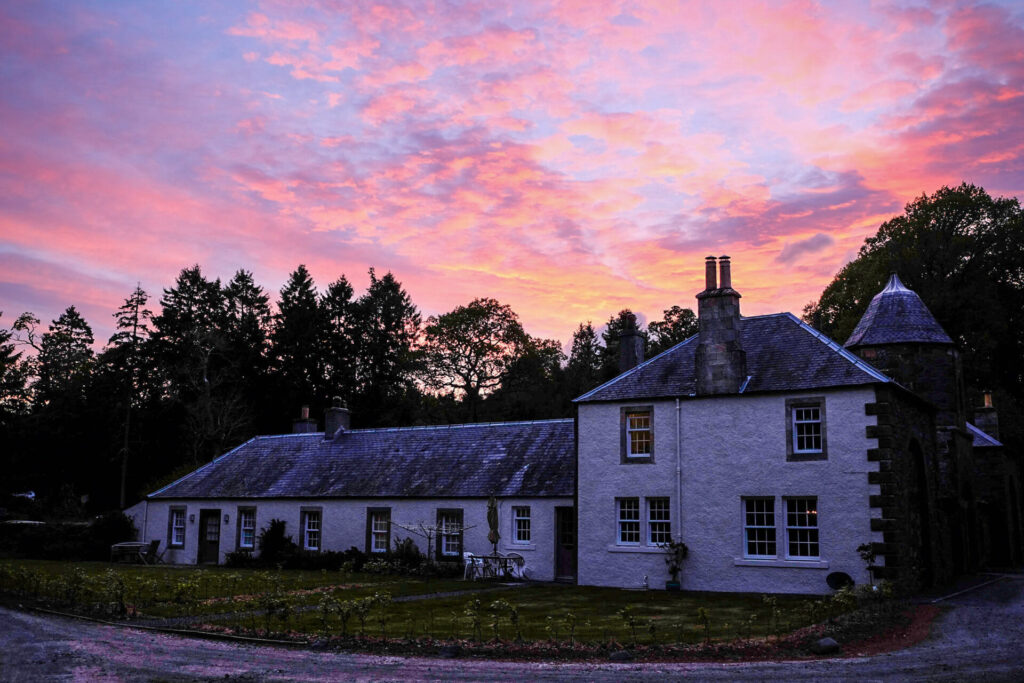
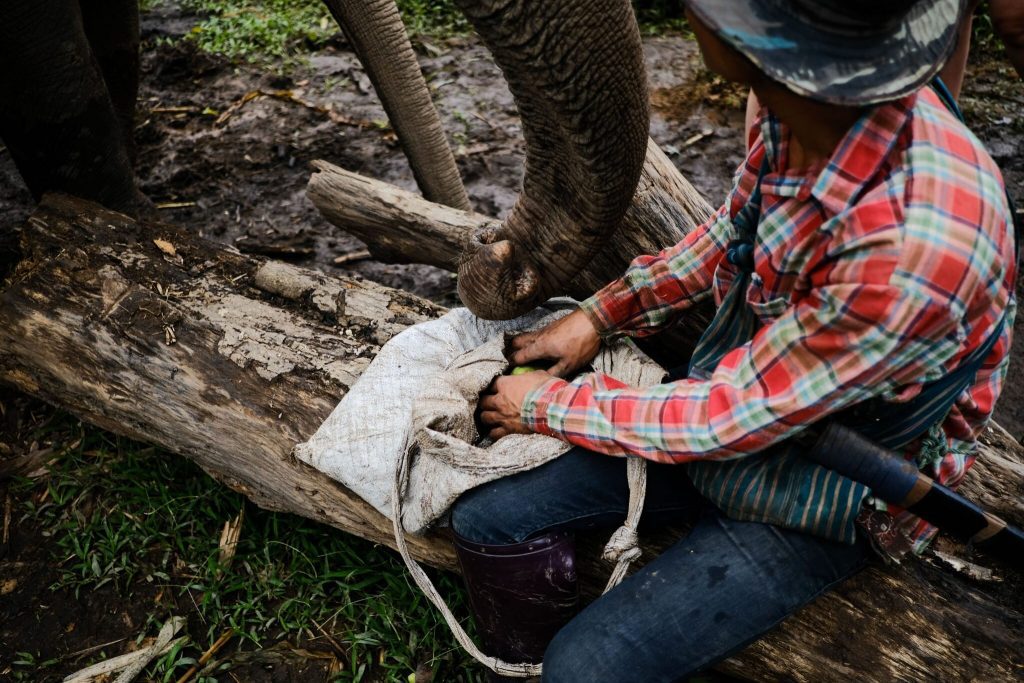
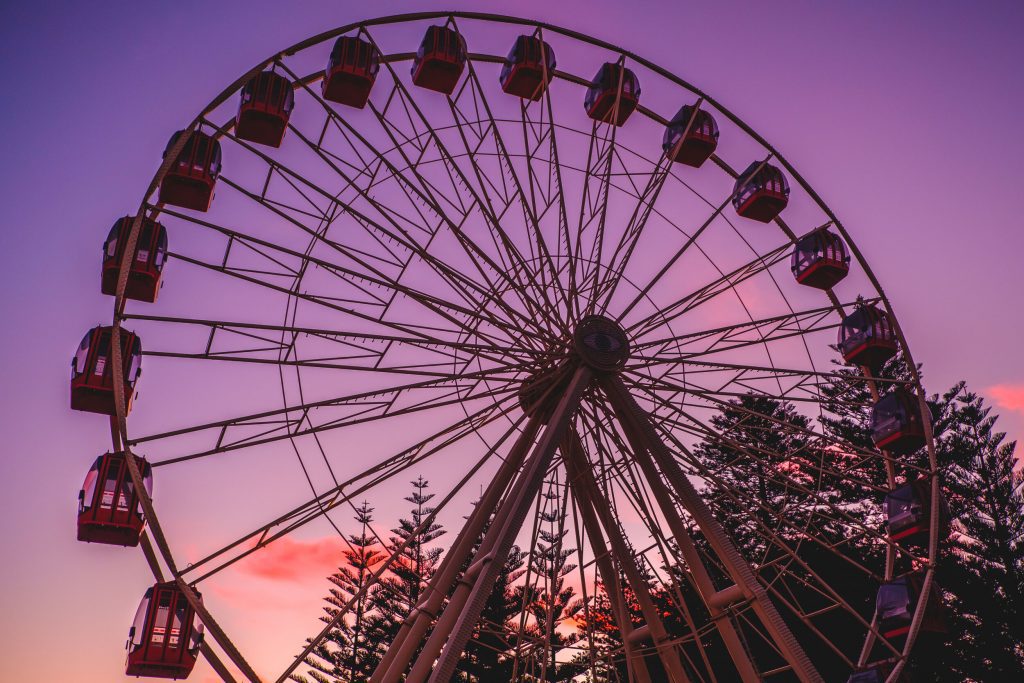
Sample of photos of the Fujifilm 23 mm f/2










Read more than my latest articles below
Keep in mind that some bonds in this blog are affiliate links.
Yes you Go buy something through these links, I can receive a small commission at no additional cost for you.
If you enjoy what you’ve seen You can buy me a coffee or beer here.
[ad_2]
