[ad_1]


The Sacred Island of Lindisfarne is undoubtedly one of the mandatory visiting places in Northumberland. This small island of Marea is home to an iconic castle, a ruins and many cafes. Ah, and is a place famous for its religious history.
On the wild coast of northern Northumberland, just a matter of miles from the border with Scotland, you will find one of the most mysterious, religious and quiet tide islands in England; The Holy Island of Lindisfarne. The island is completely inaccessible twice a day thanks to the tide and that creates a unique and isolated world away from the hustle and bustle of the continent.
The Sacred Island of Lindisfarne was once the home of the infamous Sthbert (whose sanctuary can be seen in the Cathedral of Durham) with Lindisfarne’s priororate of the twelfth century once it was the center of Christianity in Anglojones times. Religious or not (I am not for what is worth), once you cross that road to the Holy Island, you immediately have an idea of how special this island is.
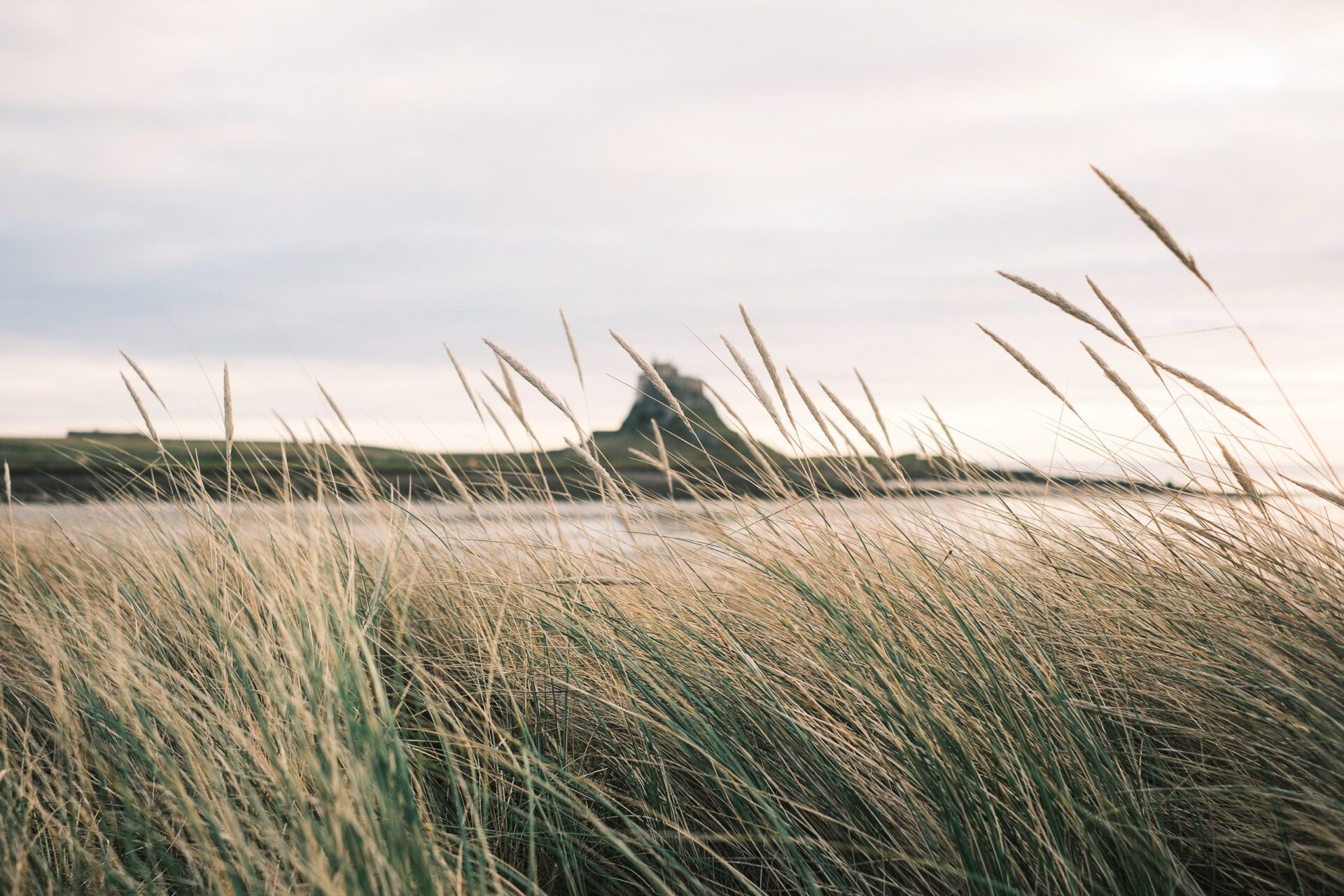
It also helps that the views you will find on the Sacred Island of Lindisfarne are beautiful, especially in the early morning, when the sun rises over the North Sea. Looking south, you will see the Farne Islands and the unmistakable Bamburgh Castle; The most emblematic castle of all here in Northumberland.


A guide to visit the Sagrada de Lindisfarne Island
How to get to the Santa Island
The first thing is the first, we need to take Holy Island. Whether it comes from the north or south, the best way to travel to Holy Island is by car and will turn off the A1 at the service station and the Lindisfarne service station. The island is well published, but you go east through Beal on the Ventosa road before the straight arrow road appears in front of you.
Holy Island is 8 miles south of Berwick-Upon-Tweed and only 6 miles north of Bamburgh, so it is an ideal excursion for visitors to the area.
There is a main parking lot for the use of all visitors (Holy Island Chare ends) since parking is not allowed in the town (which is not for residents). We paid £ 5 for 3 hours of parking, which was more than enough for our visit, but you can pay £ 8 for the whole day.
The tide
As I mentioned earlier, Holy Island is isolated from the continent twice a day due to the tides that raise the North Sea up and on the road. This means that you must plan your visit and you must verify the tide times you can do in Northumberland County Council website here. The website is clearly established (color encoded for those who really fight with the concept: trust me, people get stuck all the time) the safe moments to cross, so the really simple thing is to plan a brief excursion of a trip, last only a few hours and return long before the cutting time. Nobody wants to get home through a rescue operation.
There is an option to cross the sands using a path marked by posts (with tide shelters if the worst happens). The walk is around 5 miles, so it will take some time. The official guide is that the safe crossing times do not apply, so you should never walk during an ascending tide and try to complete the walk before the midpoint of the Cruce Seguros.
The road
One of the most prominent aspects of any trip to Holy Island is the trip itself; Crossing the narrow road with the remains of the North Sea just meters away. The road was built in the 1950s, so for 1,300 years, the only way of and from Holy Island was on the path of the pilgrims. When the tide enters, the road can sit less than 4 meters of water!
In summer, the island deals very busy, but at the beginning of January we could stop for a few minutes in the wide lay people to capture some photographs.


The people
At the end of the 5 -mile road, on the southwest edge of Holy Island, you will find a small lovely town with stone cabins, a post office, a school, coffees and pubs. There are about 160 permanent residents who call this place home and who undoubtedly feel a feeling of return of serenity when the advanced tide changes the day the hikers return to the continent. The people are home to the Lindisfarne Heritage Center and Lindisfarne Mead, which is worth visiting; Although we didn’t have time on our short trip.
Lindisfarne Castle
Northumberland is home with more castles than any other County in England and, guess what, you can find one of the most famous here. Lindisfarne Castle poses on a rocky outcrop on the eastern edge of Holy Island and was built in the midst of volatility between England and Scotland in the 16th century. In spite of that, the castle apparently did not see much action and was finally bought by Edward Hudson (owner of the Country Life magazine) in 1901, who redesigned him and restored it in a quite elegant vacation house. Since 1944, the National Trust has maintained and restored the castle so that it can enjoy it not only from the outside but also inside. It costs £ 8.50 for an adult ticket.
Some of the best views of the castle are from the port as you can see below!


PRIORATE OF LINDISFARNE
Lindisfarne Priory was built more than 1,400 years ago by ancient monks after which Monje Cathbert joined the monastery. Cuthbert became an previous one before becoming unpopular due to its reforms and retired on a small nearby island. He was subsequently made bishop before his death in the late 600s. In life, he had reputation as a shepherd, seer and healer. The monks found their body without decaying inside a stone coffin and their remains were transferred to a coffin at ground level. Suddenly, miracles are reported in the Sthbert sanctuary, so Lindisfarne becomes a pilgrimage destination that leads to the whole history of the Northeast (such as the Durham Foundation).
You can walk through the ruins of the prirate for £ 9, since they are now administered by the English inheritance or admire the priory from afar after walking through the port.

Santa María Church
The Church of Santa María is the oldest building on the island that dates back to between 1180 and 1300. There is a suggestion that the Church could have been built by Christianized Vikings! The Church houses a sculpture of a group of monks who transport the Sthbert coffin after them leaving the island in 793 before burying their body in Durham in around 920. There is a similar sculpture near the Gala Theater in Durham.


Pilgrim’s Coffee
We visited Holy Island quite early and we were pleased to finish our trip with drinks in Pilgrim’s Coffee. The coffee is roasted twice a week in a shipping container inside its own walled garden and yes, it knows spectacular. You can also ask for coffee online so you always remember your visit to Holy Island.


Thank you for reading and I hope this publication has inspired him to visit Holy Island or, if he is already planning a trip, maybe this has given him some ideas about what to do while there! If you need more information, I recommend that you consult the tourist information website of the island you can visit here.
If you are looking for a place to stay relatively close, it would not look for more than trees in Tughall near Beadnell for some peaceful nights.
More photos of the Sacred Island of Lindisfarne


If you enjoyed ‘Visit the Holy Island of Lindisfarne in Northumberland’ why not fix the images below?


Read more of my latest publications below
[ad_2]
